Nordic IPTV devices: 9 Practical, Proven Hardware Picks
A hands on guide to choosing Nordic IPTV devices that match budgets and viewing habits. Read to compare real tradeoffs for living room, travel, and second screen use.

Maris Caldwell
•
6 min read
•
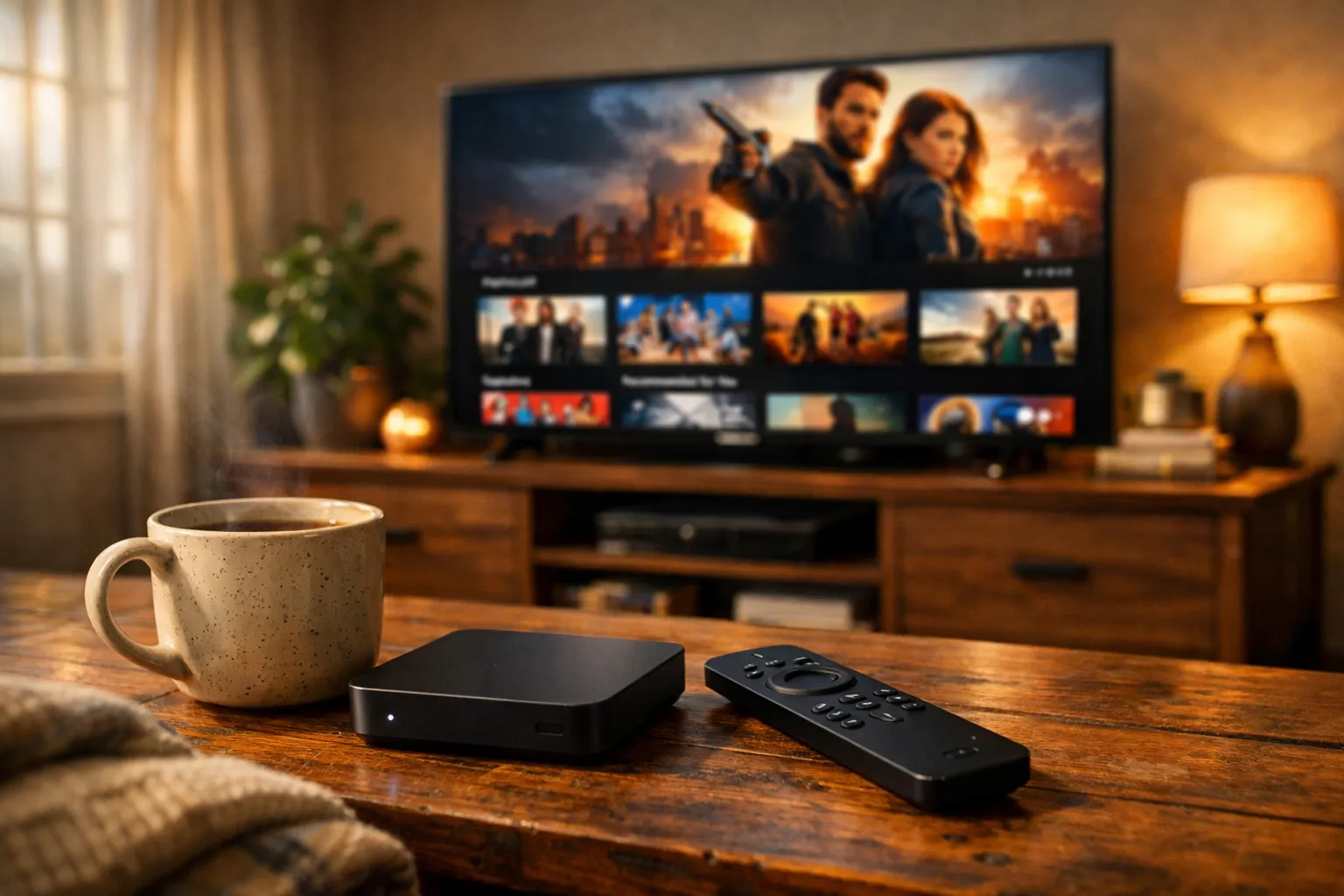
Nordic IPTV devices can mean anything from a low cost dongle to a dedicated set top box, and the difference matters for daily viewing. This guide shows how to match hardware to the way you watch, whether you need fast channel changes, solid codec support, or a travel friendly player.
In practice, this article walks through device categories, codec and decoding concerns, sideloading and storage tradeoffs, plus real benchmark notes on channel switching and stability. The goal is to help you move from basic viewing to heavier use without surprises.
Device categories and what matters for Nordic IPTV devices
Which categories fit different viewing habits.
What technical features matter most for Nordic IPTV. How to weigh cost against long term reliability.
In practice, device category shapes the whole experience for Nordic IPTV devices, so start by grouping options into four families: Android TV boxes, Fire TV devices, Smart TVs, and dedicated set top boxes. Each category differs on CPU power, GPU, hardware decoding, networking, and manufacturer update cadence.
That’s why you should prioritize hardware decoding and network stability first, because they directly affect playback smoothness and channel switching.
When you look at Android TV boxes, you typically get more flexible app support and easier sideloading. Whereas Fire TV devices often prioritize a curated storefront and AWS integration, which can make official apps easier to find. Smart TVs can be convenient but often limit codec updates or app sideloading. Dedicated set top boxes tend to focus on reliable transport and tuner options.
This means the category choice is the first filter. If you want the best Nordic IPTV experience, measure the device by how it handles real world streams, not just headline CPU clocks.
Android TV boxes versus Fire TV and their tradeoffs
How Android TV and Fire TV differ in app freedom and stability.
Which platform favors sideloading and developer tools. Tradeoffs for updates and regional app access.
In practice, Android TV and Fire TV feel similar for basic playback, but they diverge on openness and updates. Android TV generally offers broader app compatibility and standard developer tooling, see the official Android TV docs for platform details.
That’s why Android TV boxes are better if you plan to sideload third party IPTV players or need access to a wide range of codecs.
When you use Fire TV, the device often prioritizes Amazon services and a different app review process, and developer guidance is available on the Fire TV pages. Whereas Fire TV sticks can be very affordable and optimized for remote control responsiveness, they may require extra steps to run alternative app stores or specific IPTV apps.
This means choose Android TV when you value flexibility, and Fire TV when you prefer integrated Amazon features or a tighter, low cost set up.
Smart TV limitations and native app behaviour
Why native Smart TV apps can be a convenience trap.
Where manufacturer app stores fall short for niche IPTV services. How OS updates affect long term compatibility.
In practice, Smart TVs are the easiest path to watch IPTV without extra boxes, but they come with limits that matter for Nordic IPTV devices. Most manufacturers provide a curated app store and a handful of streaming apps, but support for third party or regional IPTV clients can be inconsistent.
That’s why you should test the native app experience before committing to a Smart TV, because a missing codec or a stalled update can degrade playback or prevent access to your service.
When you consider long term compatibility, manufacturers often stop updating older TV models, which means codec improvements or security fixes may never arrive. This means a Smart TV can be fine for casual viewing, but it is a weaker choice for advanced features like sideloading, custom EPG integration, or sustained heavy channel surfing.
Dedicated IPTV boxes and set top devices explained
What dedicated boxes do differently.
The value of tuned networking and transport. When a set top box pays off for stability and features.
In practice, dedicated IPTV boxes and set top devices focus on reliability and predictable behavior for streaming. Many models include optimized middleware, Ethernet ports, and software designed for continuous playback and channel lists, which is why broadcasters and operators often prefer them.
That’s why a dedicated box can be the right choice for a household that watches many concurrent channels or relies on a professional style electronic program guide.
When you think about features, look for hardware that supports wired gigabit Ethernet, proper multicast handling, and remote management. This means the upfront cost is higher, but the payoff is fewer dropouts, faster channel changes, and longer usable life in heavy use scenarios.
Codec support, hardware decoding and future proofing
Which codecs matter for Nordic streams.
Why hardware decoding improves battery and UI responsiveness. How to future proof your device choices.
In practice, codec support is one of the most technical but crucial areas for Nordic IPTV devices, since streams may use H.264, H.265, or newer codecs. For quick reference, see the H.264 and H.264 and HEVC pages for codec background.
That’s why hardware decoding matters: a chip that offloads H.265 or VP9 to dedicated silicon reduces CPU load, keeps UI responsiveness high, and lowers heat.
When you evaluate devices, check the vendor spec for codec acceleration and check community reports for real world playback of your service. This means even mid range chips with hardware decode for HEVC are a good investment for future proofing, because more Nordic streams and UHD channels trend toward efficient codecs to save bandwidth.
RecommendedFor reliable IPTV service with stable streaming and broad device support, consider our trusted option or explore another reliable provider.
Storage, app support and sideloading considerations
How storage affects app updates and caching.
The realities of sideloading on different platforms. What to check before buying for custom apps.
In practice, available storage and app support directly affect how many IPTV apps and tools you can keep installed on a single device, especially when offline caching or DVR solutions are involved.
That’s why you should prefer devices with at least 8 to 16 GB of internal storage if you plan to sideload multiple apps or use local recording features.
When you plan to sideload, Android TV boxes are generally the easiest, while Fire TV requires a few extra steps and Smart TVs may block sideloads entirely. This means check for accessible USB ports, expandable storage options, and active developer communities that share tested sideloading tips before you buy.
Benchmarks: channel switching speed and stability tests
What real benchmarks tell you about daily use.
How to interpret switching times and buffer behaviour. The tests that matter for binge viewing and live sports.
In practice, the two most practical benchmarks for Nordic IPTV devices are channel switching latency and continuous stability under long sessions. Start timing how long it takes to change channels with the same remote flow you will use daily, and observe buffering under peak concurrent load.
That’s why channel switching matters: sports and news viewing require near instant changes and reliable buffering to avoid missing action.
When you run tests, use the same network conditions you have at home, and compare wired versus Wi Fi. This means devices with faster eMMC or SSD storage and stronger networking components will show smaller delays, fewer stutters, and more consistent stream recoveries after network hiccups.
Buying new versus used hardware safely
Tradeoffs between lower cost used devices and new warranty protected units.
What to check on a used unit before buying. How to avoid region locked or outdated devices.
In practice, buying used hardware can save money, but it adds risks around firmware end of life and missing features that matter for Nordic IPTV devices.
That’s why inspect used units for factory reset capability, current OS version, and whether the seller can hand over an updated install or proof of a recent factory reset.
When you consider region locks and DRM, confirm the device is not tied to another account or operator, and check that essential codecs are present. This means used devices are best for tight budgets if you accept potential quirks, while new devices give you warranty and a clearer upgrade path.
Recommended devices for tight, mid and high budgets
Practical model suggestions by budget.
Why each pick fits the specified use. Tips to match a model to your viewing habits.
In practice, concrete recommendations help translate the tradeoffs above into buying decisions, so consider three tiers: tight budget, mid range, and high performance.
That’s why a tight budget setup should focus on stable playback and decent codec support rather than raw specs; compact Fire TV sticks or entry Android TV boxes are frequently best value for basic Nordic IPTV.
When you choose a mid range device, prioritize hardware decoding for HEVC, reliable Wi Fi or gigabit Ethernet, and more storage for sideloading. For high budgets, dedicated set top boxes or premium Android TV players with proven stability, better thermal design, and professional networking are the option to avoid repeated upgrades.
- Tight budget: compact Fire TV stick variants or low cost Android TV dongles
- Mid budget: Android TV boxes with HEVC acceleration and 2+ GB RAM
- High budget: dedicated IPTV set top boxes or premium Android TV devices with gigabit Ethernet
This means match the tier to how often you watch, whether you need multiroom or travel use, and your tolerance for occasional tinkering.