Legal IPTV: 7 Simple and Essential Tips
A practical guide on legal IPTV to distinguish between legitimate offers and pirated services, and how to check a provider before subscribing.

Maris Caldwell
•
6 min read
•
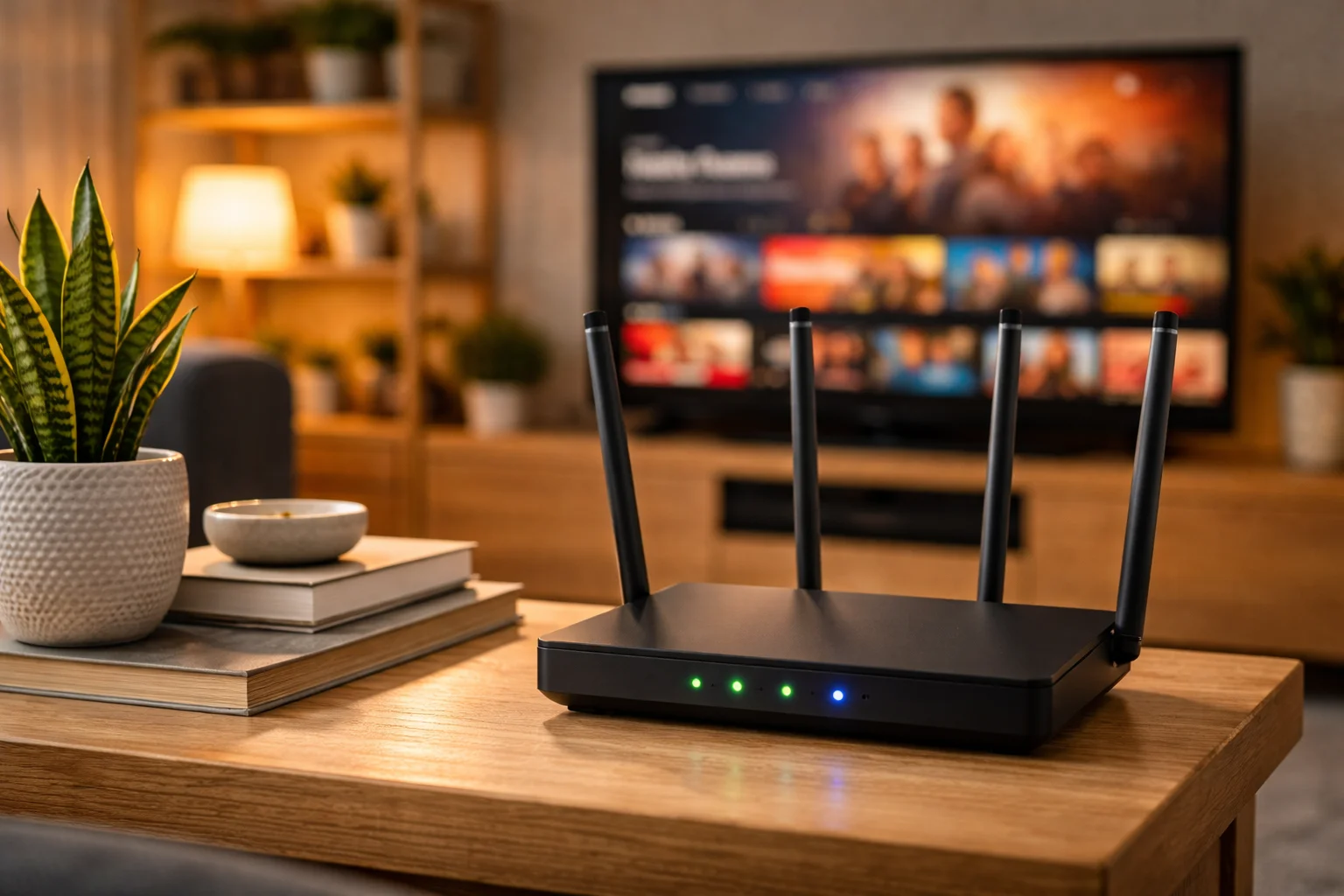
Legal IPTV is a concrete issue for anyone considering a streaming subscription in France. This document explains, in network language and without unnecessary jargon, what is allowed, what is not, and how to check a provider before paying.
I will then review the key rules from copyright law, the technical signs of an illegal offer, and the potential consequences for the user and the operator. Finally, you will find clear steps to report a suspicious offer and legal alternatives to consider.
To begin, understand that the term IPTV describes a technology, not automatically a license. It is the source of the streams and the rights exploited that determine whether a service is legal.
Overview of Applicable Rules in France, Legal IPTV
What French law says, where to look for relevant texts, and why technology does not replace rights.
Useful reading to provide a clear framework.
The first thing to know is that the term “legal IPTV” depends on the authorization of rights holders and the licenses acquired by the provider. In practice, broadcasting pay channels or protected content without a license constitutes copyright infringement according to the Intellectual Property Code. It is the law that governs reproduction and public communication rights.
This is why authorities like HADOPI and ARCOM play a role in monitoring and enforcement. Furthermore, platforms must also comply with audiovisual broadcasting rules and sometimes obtain commercial or contractual permissions.
The direct consequence for you is simple: a stream transmitted without rights exposes both the user and the provider to legal risks. Moreover, the technical availability of a stream on the Internet is not enough to make it a legitimate stream. That is why checking licenses and the commercial traceability of a service is essential.
Difference Between Legal Broadcasting and Pirated Offers
Clarifying the line between authorized services and piracy, identifying how licensing changes everything, and understanding operational implications.
The IPTV technology does not distinguish between legality and illegality; it transports packets. However, the important difference lies in the source of the streams and the contractual agreements of the provider. A legal service obtains broadcasting rights from rights holders, bills transparently, and offers official channels. In contrast, a pirated offer aggregates or resells streams without authorization and often without declared billing.
In practice, broadcasting a pay channel provided by a licensed distributor involves license contracts and often encryption or DRM. The reason matters for security: a stream backed by licenses has more traceability and less risk of interruption or injection of malicious content. The technical question is also operational, as maintaining a legitimate broadcasting network requires transit agreements and dedicated servers, while pirate services frequently use scattered hosting and unofficial IPTV lists.
How to Identify an Illegal IPTV Offer
Visible signs and simple tests to spot a suspicious offer, practical checklists, and technical points to verify.
Indicators of an illegal offer are often visible before purchase. Here is a useful checklist:
- Very low prices for pay channels
- Payment by anonymous methods only, no clear invoice
- Endless lists of premium channels without mention of licenses
- URLs or applications hosted on non-professional domains
- Absence of legal contact details or clear terms and conditions
Next, check technically: an official service will often publish information about rights, offers, and the company operating the service. Moreover, the presence of a stable stream via recognized CDNs or valid certificates is a good sign.
In practice, the critical test is commercial traceability. The reason this matters is that the absence of a contract or formal billing prevents any remedy in case of a dispute. Finally, beware of IPTV lists shared for free, as they are frequently the source of illegal offers.
Consequences for the User and the Provider
What legal and technical risks exist, the extent of sanctions, and what this means for home use.
For the user, consequences can range from a simple access withdrawal to civil lawsuits for infringement if use is extensive or commercial. For their part, illegal providers expose themselves to seizures, infrastructure closures, and criminal actions.
This is why authorities may demand the closure of services, log monitoring, and cooperation from hosts. The technical consequence is also real: an illegal service can be interrupted without notice, leaving your data exposed, or include malware in uncertified IPTV boxes.
In practice, if you use an unauthorized service, you risk losing payment data and being exposed to fraud. The reason this matters is simple: the security of your home network and the protection of your financial information are at stake.
Frequently Asked Questions About Home Use
Direct answers to common user doubts at home, clarifications on sharing, consumption, and personal responsibility.
Common question: “Can I share my account with a friend?” The answer is often no, as the license may limit the number of devices, and sharing constitutes unauthorized use.
Next, “Is watching a stream received through a third-party app legal?” The answer depends on the source of the stream. If the app points to licensed streams or official platforms, it is legal. If the app distributes pirated streams, then watching becomes risky.
Finally, “Who is responsible in case of infringement?” Generally speaking, primary responsibility lies with the operator distributing content without rights. However, the user who knows and contributes to the distribution can also be targeted civilly. The direct consequence is that caution and verification are necessary before any sharing of account information.
RecommendedFor reliable IPTV service with stable streaming and broad device support, consider our trusted option or explore another reliable provider.
Reporting Procedures and Recourse
Where to report a suspicious offer, what evidence to collect, and what steps to follow for recourse or formal complaint.
If you spot a suspicious offer, report it to the relevant authorities. You can contact HADOPI for copyright infringements and ARCOM for audiovisual broadcasting issues. Additionally, the platform CNIL is useful if your personal data is compromised.
Next, keep evidence: screenshots, invoices, website addresses, and captures of channel lists. The reason this matters is that authorities need concrete evidence to initiate prosecutions or request the closure of infrastructure.
Finally, if you are a victim of financial fraud related to an IPTV service, contact your bank and file a report with law enforcement. The administrative process varies depending on severity, but acting quickly increases your chances of recourse.
Legal Alternatives Available in France
Official options to replace a questionable offer, recognized paid and free services, and a quick comparison of models.
There are numerous legal alternatives in France, from operator bundles to SVoD services and platforms of the channels themselves. For national channels, historical operators and official platforms have broadcasting agreements. Furthermore, streaming services often offer thematic catalogs and free content.
In practice, a subscription combined with an Internet operator or an official OTT offer provides contractual traceability and customer support. The reason this matters is that legal services ensure updates, security, and respect for rights, which protects your home use.
To compare quickly, look for the presence of general terms, the existence of an identifiable company, and how payments are structured.
Safe Practices to Stay Legal
Routines and checks before subscribing, behaviors to avoid, and good technical practices to secure your setup.
Before subscribing, verify the identity of the company, request an invoice, and read the terms and conditions. Next, avoid anonymous or crypto payments without trace. The reason this is helpful is that contractual transparency facilitates any recourse in case of issues.
In practice, limit installations to applications available on official stores, keep your devices updated, and avoid uncertified boxes. Additionally, use traceable payment methods and keep your receipts.
Finally, if you doubt an offer, request information about licenses or favor known providers. The positive consequence is a more stable experience and better protection in case of disputes.
Useful Resources and Points of Vigilance
Official links and final tips, technical points to watch for, and contacts for verification.
A practical recap to keep your choices clear.
To go further, consult the following official sources: the IPTV page for the technical notion, the Intellectual Property Code for legal rules, HADOPI for copyright infringements, and ARCOM for audiovisual regulation.
Next, watch for these points: prices that are too low, absence of legal mentions, anonymous payments, and public lists of premium channels. The reason this should alert you is that these signals are statistically associated with unauthorized offers.
In conclusion, favor traceability, request proofs of licensing if needed, and report any dubious offers. This way, you stay on the side of “legal IPTV” and protect both your rights and your network setup.